The Secret Ingredient in Your Next Business Venture
Imagine waking up to sales of Artisan Sourdough Discard Recipes or Authentic Oaxacan Mole Guides—culinary content you didn’t create but expertly deliver to an audience of passionate home cooks. In the $1.2 trillion global food industry, cooking eBooks represent a hidden digital economy where knowledge is as valuable as the meals it helps create. This isn’t about being a celebrity chef; it’s about becoming a specialized culinary curator, connecting detailed, kitchen-tested eBooks with the 79% of home cooks who regularly seek new recipes and techniques online. While meal kit services dominate headlines, the sustainable, high-margin opportunity lies in reselling evergreen culinary knowledge that never expires or spoils.
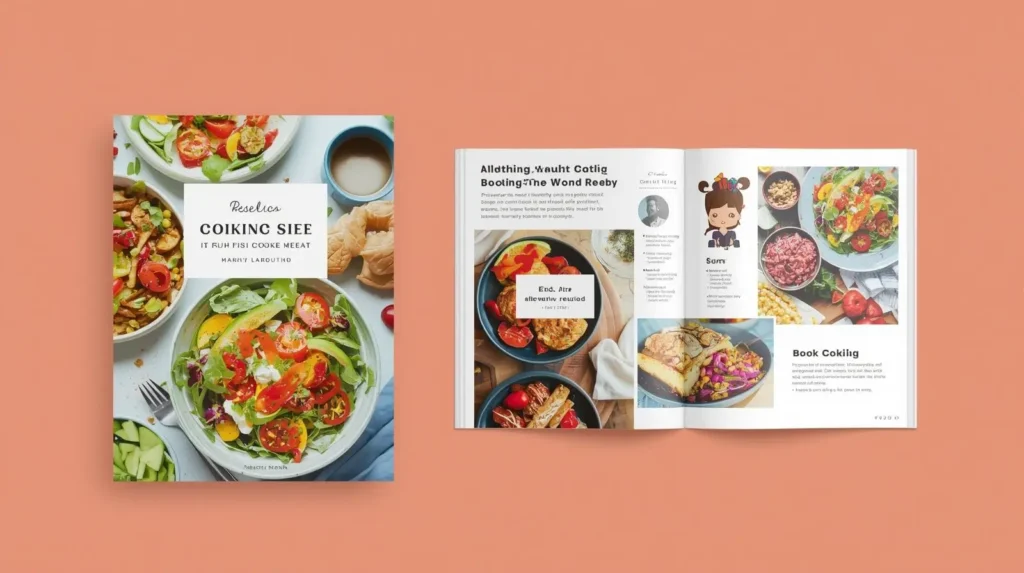
Why Cooking eBooks Are a Perfect Digital Product
The cooking niche operates on three timeless principles that ensure market stability. First, food is fundamental—unlike discretionary entertainment, people cook daily, creating constant demand. Second, the “foodie” culture transformation has turned casual cooks into enthusiastic hobbyists seeking professional techniques. Third, dietary and lifestyle trends (keto, plant-based, gluten-free) create perpetual markets for specialized content. Cooking eBooks have exceptional bundling potential (complete meal planning systems), strong seasonal appeal (summer grilling, holiday baking), and cater to both practical need (“quick weeknight dinners”) and aspirational desire (“master French patisserie”).
Your Strategic Recipe for Cooking eBook Success
1. Niche Selection: Beyond General Cookbooks
The most profitable approach targets specific culinary intersections. Instead of “Italian Cooking,” focus on “Authentic Roman Street Food” or “Gluten-Free Italian Baking.” Current high-opportunity segments include:
- Diet-Specific Cuisine: Paleo Asian fusion, diabetic-friendly desserts, low-FODMAP family meals
- Technical Skill Development: Sous vide mastery, knife skills illustrated guides, fermentation science
- Equipment-Focused Cooking: Instant Pot vegan recipes, air fryer everything, campfire cooking
- Cultural Deep Dives: Regional Thai curries, heritage Eastern European baking, indigenous ingredients
- Lifestyle & Occasion: Meal prep for athletes, elegant dinner party menus, cooking for one
Market Validation Method: Use Pinterest search volume for terms like “one-pot vegetarian recipes” or “sourdough troubleshooting guide” alongside Amazon Kindle category rankings to identify underserved niches.
2. Sourcing Kitchen-Tested, Credible Content
Your reputation depends entirely on recipe reliability and presentation quality. Prioritize eBooks with:
- Precision in Instructions: Weight-based measurements (grams), step-by-step photos, doneness indicators
- Creator Credentials: Authored by professional chefs, registered dietitians, or respected culinary educators
- Specialized Production Values: Food styling photography, printable shopping lists, nutritional information
- Adaptability Notes: Substitution suggestions, scalability instructions, allergy alternatives
- Commercial Resale Rights: Legally verified permissions for redistribution
Quality Differentiator: Seek eBooks with “troubleshooting” sections—what to do if dough is too sticky or sauce breaks—as this transforms a simple recipe collection into a true educational resource.
3. Creating a Feast for the Senses: Your Storefront
Design your digital marketplace to feel like a specialty food boutique. Implement these conversion-optimized elements:
- Appetizing Visual Hierarchy: Use high-quality food photography as hero images, with clean typography that doesn’t compete
- Intelligent Filtering: Allow sorting by dietary need (vegan, keto), cooking time (<30 minutes), occasion, cuisine, or main ingredient
- Compelling Benefit-Focused Descriptions: “Not just 50 soup recipes, but a complete system for transforming seasonal vegetables into freezer-friendly meals that save you 5 hours weekly”
- Generous Content Previews: Show the eBook’s most valuable pages—a beautifully photographed recipe, the professional plating guide, the unique flavor pairing chart
- Strategic Bundling: Create “Culinary Skill Packages” like “The Complete Bread Baker’s Library” or “Weeknight Warrior: 4 eBooks for Fast Family Dinners”
Conversion Optimization: Implement a “Problem Solver” quiz (“What’s your biggest cooking challenge? Time? Budget? Dietary restrictions?”) that recommends personalized eBook collections while capturing email leads.
4. Marketing to Hungry Audiences
Cooking enthusiasts gather in specialized digital spaces requiring tailored outreach:
- Pinterest & Instagram Food SEO: Optimize content with precise keyword phrases like “dairy-free creamy pasta sauce recipe PDF” or “perfect flaky pie crust tutorial ebook”
- YouTube Recipe Teasers: Create free “one-recipe preview” videos demonstrating a standout dish from an eBook, with links to the complete collection
- Strategic Community Engagement: Provide genuine value in subreddits like r/Cooking, r/MealPrepSunday, or dietary-specific Facebook groups before mentioning your resources
- Micro-Influencer Collaborations: Partner with niche culinary creators (specialty diets, specific cuisines, baking science) for authentic kitchen-tested reviews
- Seasonal Campaign Architecture: Run “Harvest to Table” promotions in autumn, “Healthy Reset Guides” in January, and “Grilling Mastery” series in early summer
Proven Tactic: Develop “Signature Freebies”—a downloadable “Knife Skills Cheat Sheet” or “Spice Blending Guide”—that capture emails while demonstrating the quality of your paid content.
Scaling Your Culinary Knowledge Business
Once established, expand your authority and revenue through:
- Signature Collection Development: Create “The Global Vegetarian Library” or “Professional Plating & Presentation Masterclass” bundles
- Supplemental Resource Creation: Design printable weekly meal planners, pantry inventory sheets, or ingredient substitution flashcards
- “Kitchen Insider” Membership: Offer monthly exclusive recipes, live Q&As with culinary experts, and early access to new eBooks
- Cross-Niche Expansion: Branch into food photography guides, food blogging business plans, or commercial kitchen operations
- Physical Product Partnerships: Collaborate with specialty food retailers (spice shops, kitchenware stores) for cross-promotions
Your First Step Today
Begin by immersing yourself in one cooking micro-niche that genuinely fascinates you. Spend one week in its online communities—note the top five questions home cooks repeatedly ask professionals. This market intelligence will directly inform your initial eBook selections and content marketing voice. Remember, in culinary knowledge reselling, you’re not merely selling recipes; you’re selling confidence, capability, and culinary transformation. The universal human need to feed ourselves and our loved ones guarantees your market will never disappear—it only awaits better curation.